Gaming-on-Demand: How Cloud Revolutionizes Access & Performance
The digital landscape is undergoing a profound transformation, ushering in an era where high-performance software and immersive experiences are no longer tethered to expensive local hardware. At the forefront of this revolution is “Gaming-on-Demand,” a paradigm shift often likened to Netflix’s impact on video entertainment. While its roots are firmly in the vibrant world of video games, the underlying cloud technology is now rapidly expanding its influence, presenting unprecedented opportunities for various industries. This evolution is giving rise to a new frontier: enterprise cloud gaming, where powerful applications and simulations are streamed directly to users, regardless of their device specifications.
The Transformative Power of Gaming-on-Demand
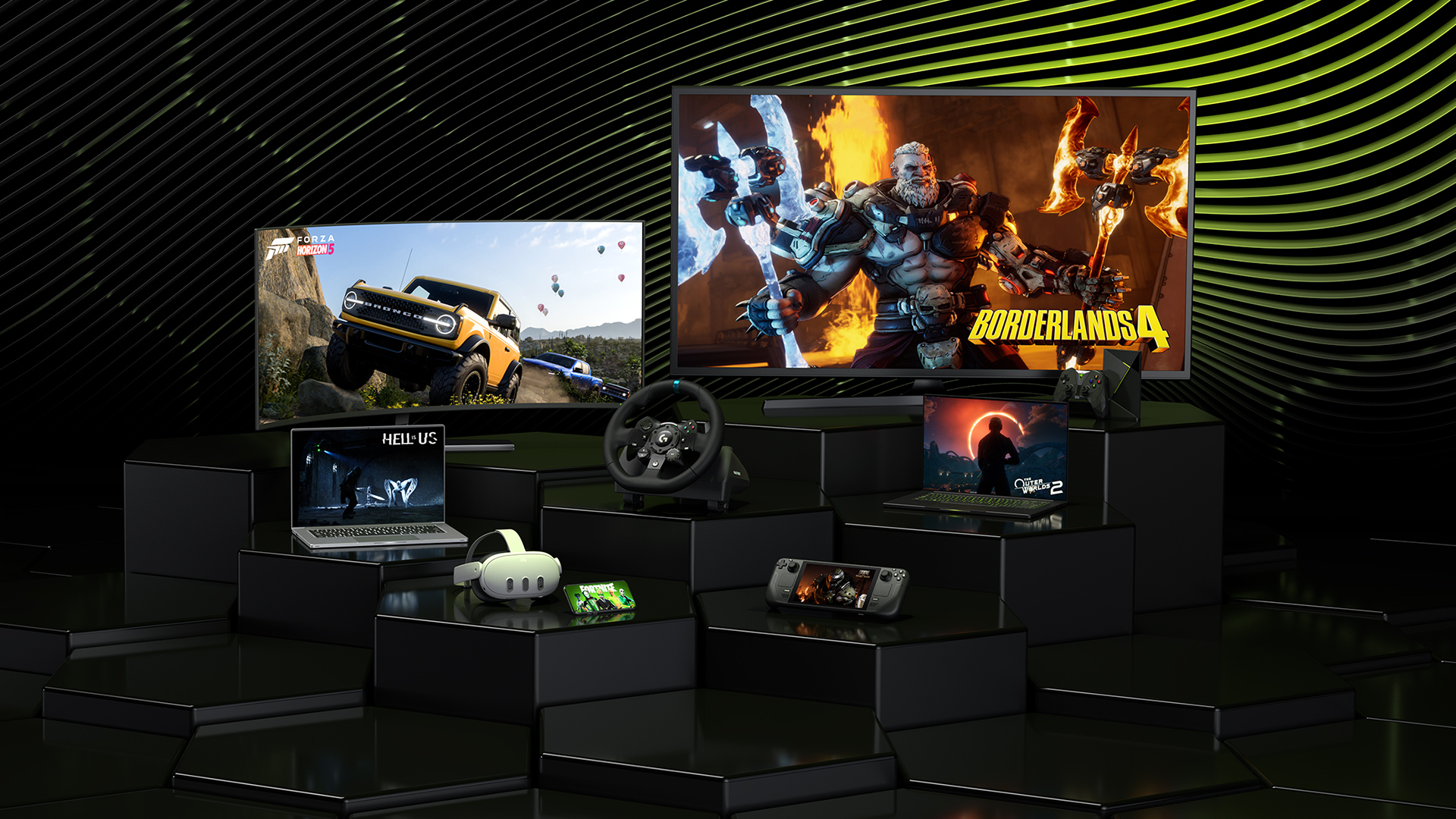
Cloud gaming, or Gaming-on-Demand, fundamentally redefines how users interact with digital content. Instead of requiring a game to be downloaded, installed, and run locally on a powerful computer or console, the entire processing workload is shifted to robust remote servers in the cloud. What the user receives is a high-quality video stream of the game, while their inputs (keyboard, mouse, controller) are sent back to the server. This seamless interaction creates an illusion of local execution, all without the user owning the physical hardware or even a copy of the game.
The scale of the video game industry, a behemoth worth over $150 billion annually and continually growing, highlights the immense potential of this technology. It surpasses both the film and music industries combined, demonstrating a global appeal that transcends age, gender, and geography. For individual gamers, the benefits of this “Netflix for games” model are clear and compelling:
- Unprecedented Accessibility: Play high-fidelity games on virtually any internet-connected device – laptops, tablets, smartphones, smart TVs – transforming low-spec devices into powerful gaming machines.
- Elimination of Hardware Costs: No need to invest in expensive gaming PCs or consoles, lowering the barrier to entry for cutting-edge experiences.
- Instant Gratification: Dive into games immediately without lengthy downloads or installation processes.
- No Storage Constraints: Games reside entirely in the cloud, freeing up local device storage.
- Always Updated: Gamers automatically have access to the latest version of a game, with patches and updates managed by the cloud provider.
This consumer-facing revolution is just the tip of the iceberg, however, as the robust infrastructure powering these experiences is proving equally valuable for businesses.
Beyond Entertainment: The Rise of Enterprise Cloud Gaming
The same technological prowess that allows gamers to stream the latest AAA titles on a Chromebook is now being eyed by enterprises facing their own unique challenges. Imagine an organization that develops sophisticated software – perhaps a complex 3D modeling tool built with Unity, a high-fidelity simulation for engineering, or an interactive training module for new employees. Often, these applications demand significant computing power, leaving many users unable to run them effectively due to “machines that are generally not up to spec.” This is precisely where enterprise cloud gaming emerges as a game-changing solution.
Instead of requiring every employee or client to possess a high-end workstation, businesses can leverage cloud gaming platforms to host and stream their enterprise software. This means a Unity-based product, for instance, can be accessed through a web portal, running on powerful cloud servers while the user interacts with it via a standard browser. For many enterprise applications, a performance target of 30 frames per second (fps) with around 100 milliseconds (ms) of latency is perfectly acceptable, making existing cloud gaming infrastructure an ideal fit.
The implications for businesses are vast:
- Universal Access to Specialized Software: Employees can access critical, resource-intensive applications from anywhere, on any device, ensuring productivity regardless of their local hardware.
- Reduced IT Overhead: Simplified deployment, patching, and maintenance of software, as everything is managed centrally in the cloud.
- Lower Total Cost of Ownership (TCO): Avoid the need to purchase and maintain high-spec client machines, leading to significant cost savings.
- Enhanced Collaboration: Teams can work on shared projects in real-time, accessing the same application instance from different locations.
- Scalability on Demand: Easily scale up or down the number of users and the computational resources allocated, aligning with business needs without large upfront investments.
This innovative application of cloud gaming technology transforms technical limitations into opportunities, ensuring that powerful software is accessible to all who need it, when they need it.
Key Advantages Cloud Gaming Brings to the Table
Whether for individual entertainment or critical business operations, the advantages offered by cloud gaming are multifaceted and impactful:
- Access to High-Spec Content Without High-Spec Hardware: This is the cornerstone. For gamers, it means playing graphically demanding titles without an expensive PC. For enterprises, it means deploying complex 3D design software, virtual reality training environments, or data visualization tools to a broader audience without hardware upgrades across the board.
- Platform-Agnostic, Uninterrupted Experience: Cloud gaming liberates content from specific platforms. Start a game on your PC, pause, and continue on your tablet or smart TV. In an enterprise context, this translates to seamless workflow continuity. An architect can begin a design on a workstation, review it on a laptop during a commute, and present it on a client's display, all without transferring files or managing different software installations.
- Always Updated Content: The days of waiting for large game updates or manually patching enterprise software are over. Cloud providers ensure the latest versions, features, and security fixes are instantly available, maintaining a consistent and secure experience for all users.
- Enhanced Security & Data Protection: User information and valuable digital assets are protected by industry-leading security standards within the cloud infrastructure. Since the actual game or software runs on remote servers, the risk of local machine vulnerabilities, data theft, or unauthorized modification of software is significantly reduced. This centralized security management is a major boon for enterprise deployments.
- Cost Savings & Efficiency: Beyond hardware savings, cloud gaming reduces energy consumption, eliminates the need for physical storage, and streamlines IT management. For businesses, this translates into optimized resource allocation and a sharper focus on core operations rather than infrastructure maintenance.
To delve deeper into how businesses are harnessing this power, explore our article on Cloud Gaming for Enterprise: Powering High-Spec Software.
The Landscape of Enterprise Cloud Gaming: Who's Leading & What's Next?
The immense potential of cloud gaming has not gone unnoticed by technology giants. Companies like Microsoft (with xCloud, leveraging Azure’s global infrastructure), Google (whose Stadia technology, though pivoted for consumers, showcased the immense capabilities of Google Cloud), and Tencent have already made significant investments in this space. Amazon and Apple are also reportedly exploring their entry, signaling a clear recognition of cloud gaming's transformative power, not just for entertainment but for broader applications.
These industry leaders are not just building gaming platforms; they are developing the underlying cloud infrastructure, streaming protocols, and global data centers that can serve as the backbone for various cloud-based services, including enterprise cloud gaming. A business looking to host its Unity-built product, for instance, might find solutions leveraging the same robust networks and server technologies that power these consumer-facing cloud gaming services. The capability to stream complex, high-performance software privately within a company's web portal is a direct offshoot of these advancements.
Looking ahead, the market is poised for continued growth and innovation. Statista predicts nearly 3 billion gamers worldwide by 2021, underscoring the massive user base already accustomed to digital experiences. We can anticipate an evolving landscape characterized by:
- Strategic Acquisitions and Partnerships: As the market heats up, expect more collaborations between cloud providers, software developers, and industry specialists to create bespoke enterprise solutions.
- Evolving Subscription Models: Beyond traditional gaming subscriptions, businesses will see flexible SaaS-like models for accessing cloud-hosted software, paying for usage rather than ownership.
- Increased Scrutiny and Regulations: With greater scale comes greater responsibility. The industry can expect more focus on data security, privacy, and service level agreements (SLAs), especially crucial for enterprise clients.
- Refined Streaming Technology: Continuous improvements in compression, latency reduction, and edge computing will further enhance the responsiveness and quality of streamed content, benefiting both gamers and enterprise users.
For a broader view of the market's trajectory and the giants shaping it, see The $150 Billion Cloud Gaming Boom: Giants & Future Trends.
Conclusion
Gaming-on-Demand is more than just a convenient way to play video games; it represents a fundamental shift in how we access and interact with digital content. By decoupling performance from local hardware, cloud computing has not only solved numerous pain points for gamers but has also unlocked a powerful new paradigm for businesses. Enterprise cloud gaming is rapidly emerging as a vital tool for organizations to deliver high-spec software, simulations, and interactive experiences with unparalleled accessibility, scalability, and efficiency. As industry titans continue to invest in and refine this technology, the future promises an even more interconnected and high-performing digital world, available on demand, for everyone.